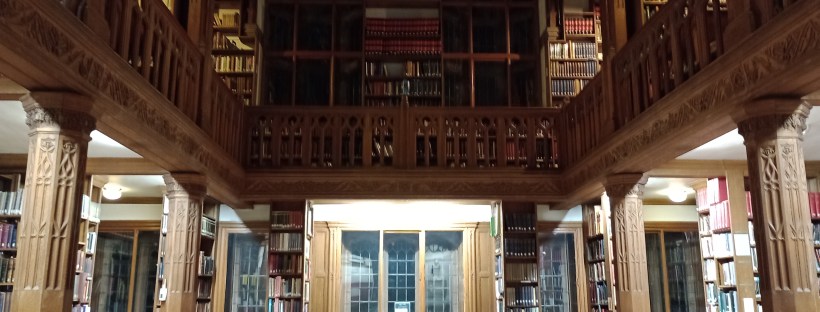
I’m delighted to share that I will be spending the whole of May 2026 on a writing residency at Gladstone’s Library in Hawarden. It will be such a privilege to be able to live and write in such beautiful surroundings, and I feel very fortunate to be able to take a whole month away from teaching in order to focus on my work in progress, Chosen Sisters, which is a poetry collection exploring the lives of women from the past who lived in intimate relationships with other women – or wanted to. (It’s what I call my ‘dead lesbians’ project when I’m chatting to friends about it!)
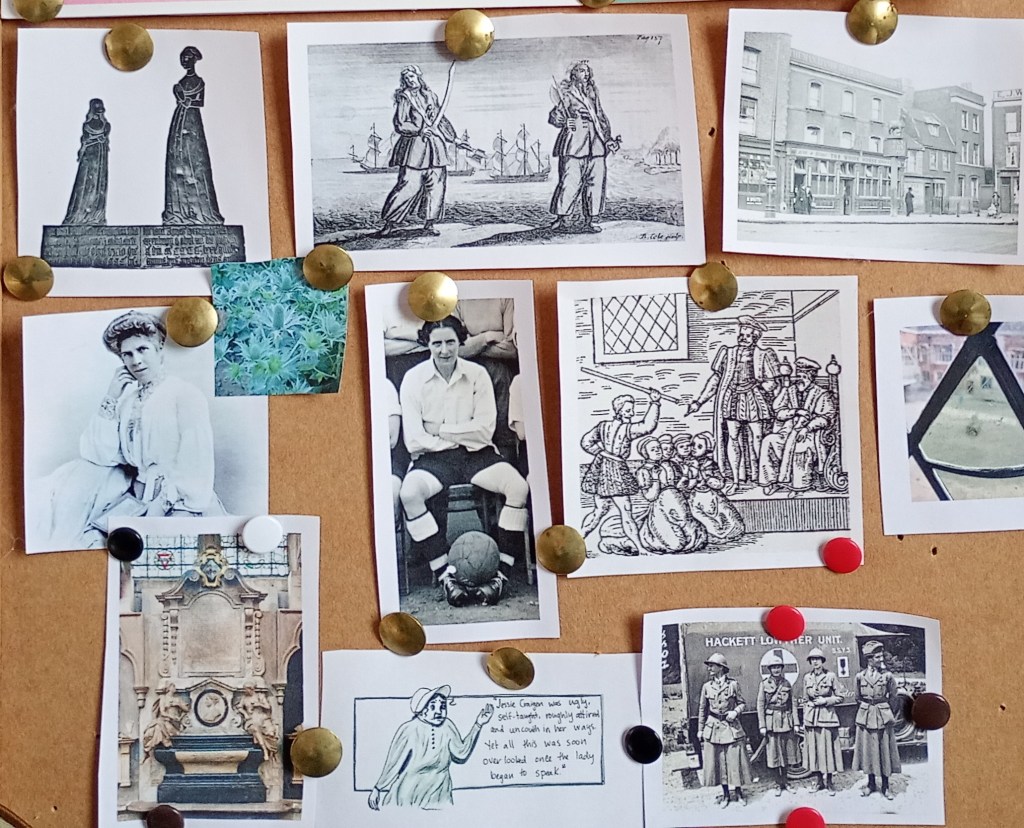
During my residency I’ll be leading two events for which tickets are now available. On the evening of Tuesday 12th May at 7pm I’ll be giving a reading from my debut poetry collection, The Opposite of Swedish Death Cleaning, and also talking about and reading poems from my work in progress, Chosen Sisters, which picks up the thread of honouring the past, in all its messy complexity. I’ll share poems about female doctors, philanthropists, footballers and gardeners, in each case discussing how the poems were researched and written, and finishing on what is likely to be a first at Gladstone’s Library: a ballad about a pair of eighteenth century lesbian pirates.
Tickets cost £18 for the reading, or £38 for the reading plus a pre-event two course dinner in the Food for Thought restaurant, and can be purchased from the Gladstone’s Library website here.
Then on Saturday 23rd May I’ll be running a poetry-writing masterclass from 10.30am to 3pm entitled Ghost-Whispering. In it, I’ll be asking participants to think about the voices of women from the past. What are they saying? Why are they saying it? How are they saying it? What are others saying about them? How might their voices speak to our lives today?
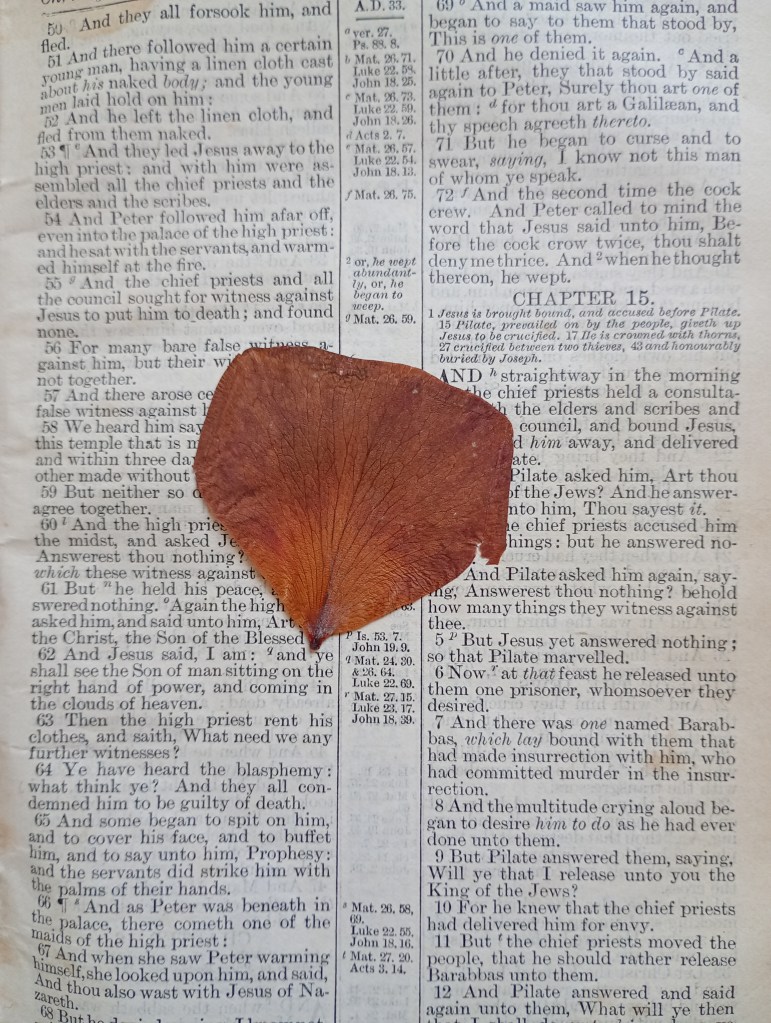
The poems in Chosen Sisters are inspired by historical evidence from a range of sources: court reports, monuments, handbills, photographs, graffiti etched on a window. In this masterclass I will share early drafts and final versions of poems that have been crafted in this way, showing how I have used historical artefacts to try to listen carefully to the voices of women from the past.
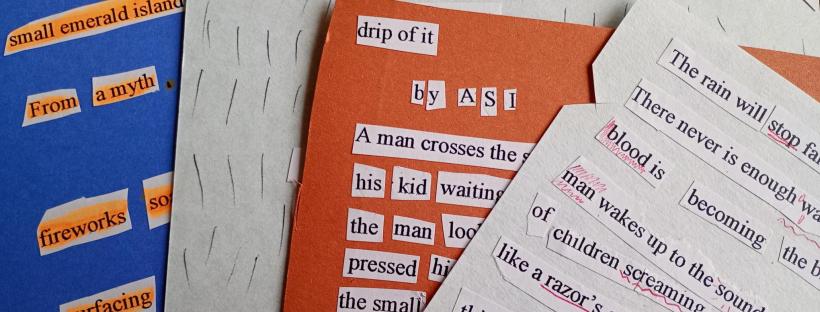
I will then provide a range of historical artefacts for participants to work with during the workshop, encouraging people to listen to what these artefacts might be whispering to them, and to use some of the approaches demonstrated – creating found poetry, writing ekphrastic poetry, echoing aspects of poetic form – to craft their own poems inspired by historical sources.
The day will finish with an opportunity for participants to share and workshop new poems.
Tickets for this masterclass cost £70, and that includes tea and filter coffee during refreshment breaks, plus a two-course lunch in the Food for Thought restaurant. They can be purchased here.
I’m very much looking forward to both of these events, and hope that people will be inspired to come along.
 Alison Binney