The Opposite of Swedish Death Cleaning

In July 2022, a few months after my Dad had been admitted to a care home, my brother and I embarked on the process of sorting and clearing his house. That first day, I opened the garage door to find a huge mound of boxes, paint pots, rolls of carpet and garden furniture.

Over a tea break, as pure procrastination, I searched online for ‘advice for clearing a family home’, and that’s where I first cam across the concept of ‘Swedish death cleaning’.

Margareta Magnusson’s ‘The Gentle Art of Swedish Death Cleaning’ had been an international bestseller just five years previously, but it was only too clear that the concept of döstädning – of de-cluttering one’s own life in late middle age – had completely passed my Dad by.

During those first hours of endlessly ripping and folding every cardboard box that had entered my Dad’s house over the previous twenty years, I fantasised about a woman in Stockholm entering her father’s home to sort his affairs, only to find an almost empty house, full of light and the scent of lemons.

How I envied her! A poem about her began to form in my head.

But it took many months to write, and during that time, as I sorted and cleared my Dad’s house, room by room, my feelings about this imaginary Swedish woman, whose father had scrupulously death-cleaned, completely changed.

And so the poem became completely different from how it had started. I realised that what I was doing was the opposite of Swedish death cleaning: I’m not Swedish, I was the one doing the death-cleaning on behalf of my father, who didn’t even know it was happening, and the whole process felt very far from clean.

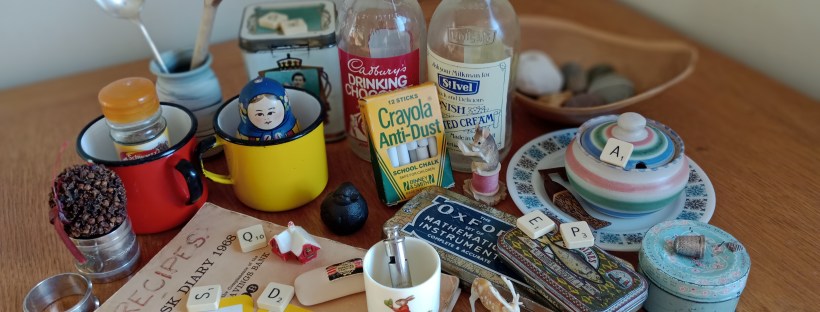
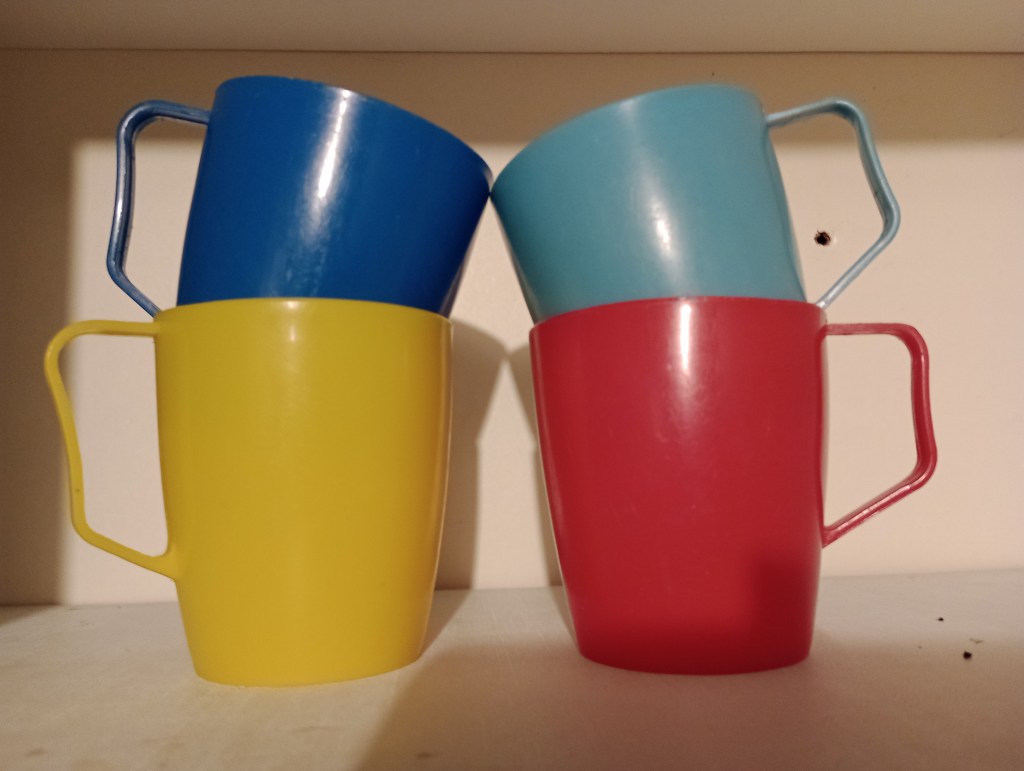
But I wouldn’t have had it any other way. It was difficult, physically and emotionally demanding work, but it was also deeply healing. I wouldn’t have missed those experiences of being reunited with childhood games, cassette recordings of family holidays, and 1970s picnicware for the world. And I felt closer to both my parents – one having died twenty years previously, the other in the depths of dementia – than I had for ages.

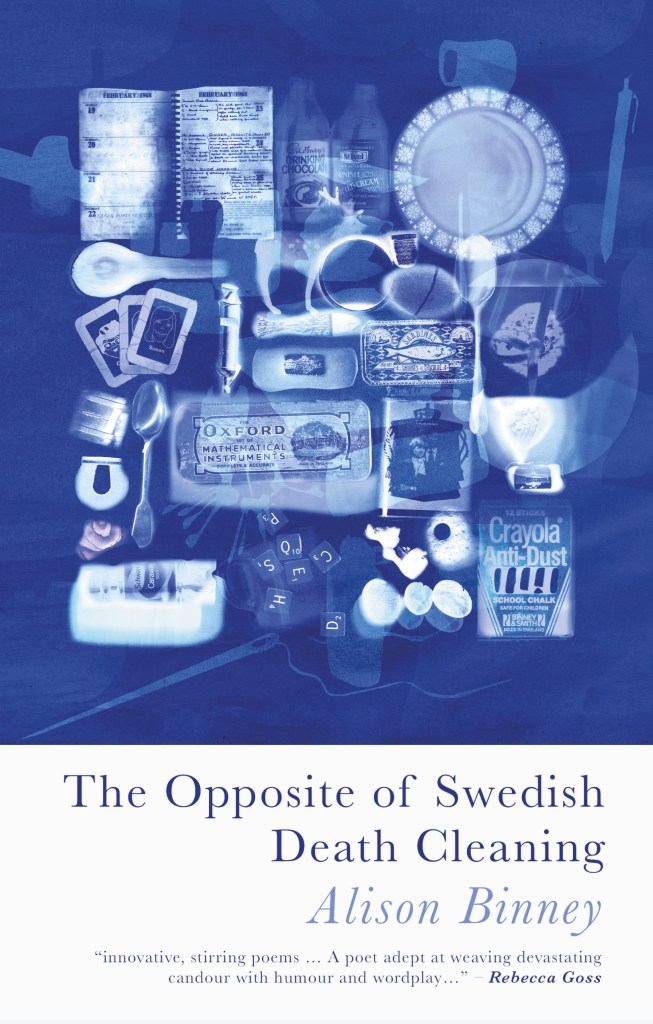
‘The Opposite of Swedish Death Cleaning’ became the title for my poetry collection, which is forthcoming from Seren Books in April 2025.

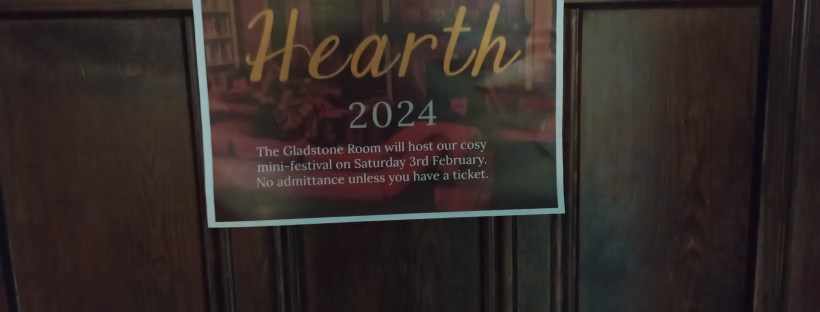
Hearth at Gladstone’s Library – A Kitchen of one’s own

When I first tried out Other Women’s Kitchens as a title for my debut poetry pamphlet, I was surprised to find how many of the poems in it are set in kitchens, or makeshift kitchens. I continue to draw on kitchens for inspiration in my writing, particularly in some of the recent poems that have arisen from the experience of sorting and clearing my parents’ house.

Some of my favourite poems by other poets are set in or around kitchens. I think of Seamus Heaney’s sonnet about peeling potatoes with his mother, for example, Mary Jean Chan’s They Would Have All That, and Alison Brackenbury’s collection Aunt Margaret’s Pudding, inspired by her grandmother’s recipes.

For me, kitchens, more than anywhere else, are the spaces where important things happen. Eating is both a primal need, and something that can be sophisticated and elaborate, such as cooking for a date or a dinner party. Cooking and eating are ritualistic acts, both in the everyday repetitions of making cups of tea or bowls of porridge, and also in the less frequent but perhaps more highly-charged rituals of Christmas, Thanksgiving, Shabbat, Iftar. Food is nourishment, treat, discipline, spectacle, connection, tradition, symbol, sacrament. And kitchens are places where we gather to eat and to cook intergenerationally, with all of that passing-on, both implicit and explicit, that takes place when we do those things with others.

So it was strange to give a talk entitled ‘A Kitchen of One’s Own’ at Hearth 2024, while staying in the wonderfully congenial environment of Gladstone’s Library, where three delicious meals a day were cooked for me in the Food for Thought cafe. There, not only did I not need to cook – a sign saying ‘Strictly Staff Only’ kept me banned from the kitchen for three days.

As lovely as it is to be cooked for, it’s fascinating what that does to the rhythm of life. Days feel much longer when you don’t need to shop, plan meals, cook or wash up. But it also makes me feel somehow wrong-footed when that rhythm is suddenly removed.

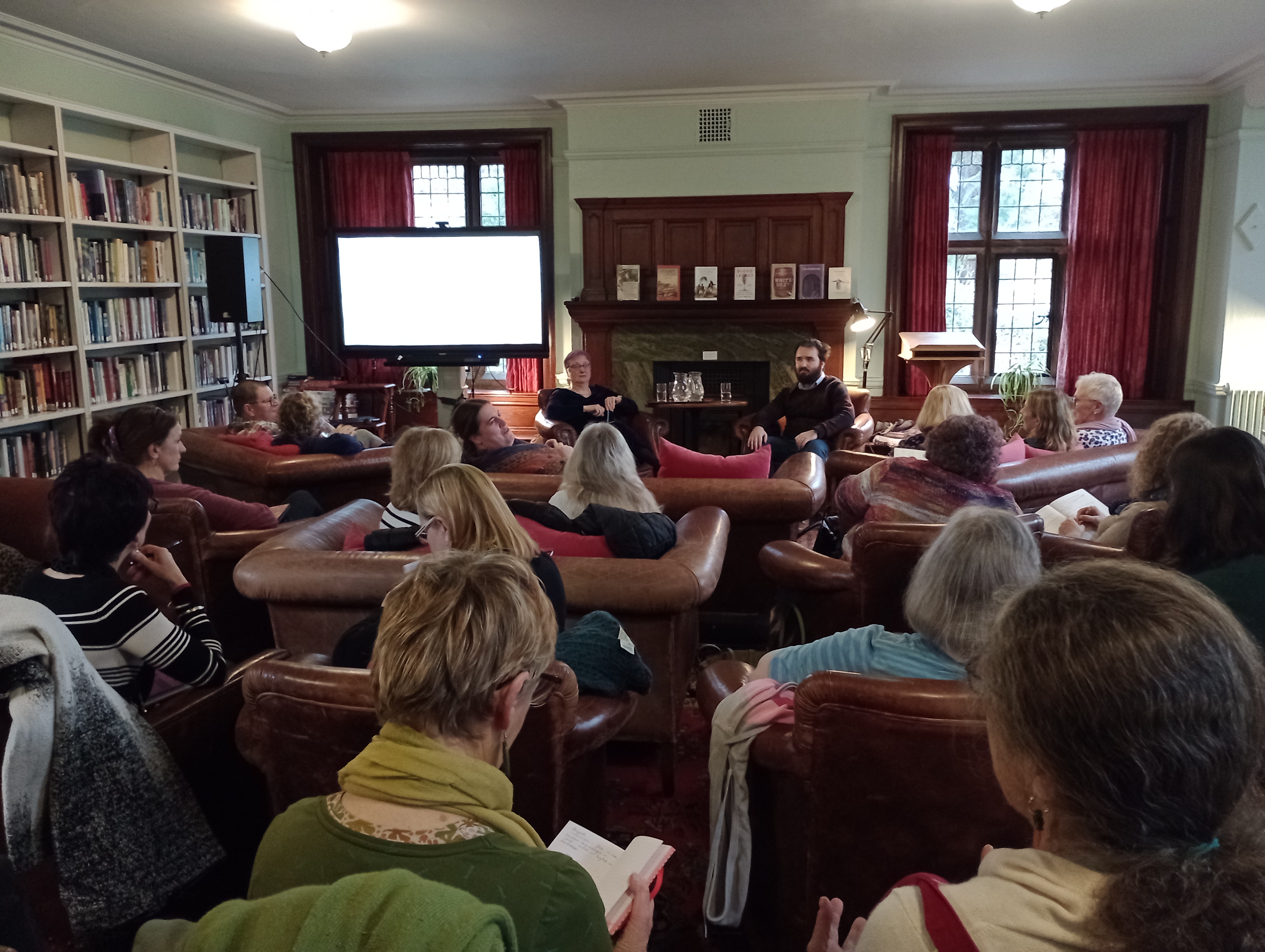
That observation proved a helpful starting-point for my talk at Hearth, the annual mini-festival at Gladstone’s Library, which was a lovely event to speak at, with the talks taking place in the intimate setting of a lounge filled with comfy leather sofas. After my talk, I thoroughly enjoyed listening to the other speakers – Eleanor Wasserberg, Frederick Bricknell and Louise Gray. Although on paper it was hard to anticipate how our four talks might work together, it was fascinating to see common themes emerging and developing throughout the day: the challenge of listening to undocumented voices; the sharing of family history; the dilemmas around sourcing and eating particular foods. The audience – warm, receptive, astute – played a huge part in helping those threads to emerge, and in enabling the conversations to continue over lunch and dinner.

I’m so grateful to the team at Gladstone’s Library for the privilege of speaking at Hearth, and for the wonderful hospitality, organisation and welcome. I will definitely be back, and I’m looking forward to it already.

Assembling and submitting a poetry pamphlet – Mslexia Salon

It was a huge privilege to be invited to lead a workshop for the wonderful Mslexia Salon last month on assembling and submitting a poetry pamphlet. I have a lot to thank Mslexia for, as the first magazine to publish one of my poems, back in 2004, and then as the launch-pad for my debut pamphlet Other Women’s Kitchens, which was published by Seren Books in 2021 as a result of winning the Mslexia Poetry Pamphlet Competition.

The Mslexia Salon is brilliant value – just £12 a year for access to a huge range of online writing workshops and resources. And it was a joy to deliver a session for such a supportive, dedicated group of women, who sustained huge levels of enthusiasm right throughout the two-hour session on a rainy October evening.

Joining the Salon also provides access to recordings of sessions, which is really handy if you’re not able to attend them live. My session covered the following topics:

  • Am I working on a pamphlet?
  • How thematic should a pamphlet be, and how might a theme emerge?
  • How to sequence a poetry pamphlet
  • What’s in a name? How to choose an overall title, and a consideration of which titles draw the reader in when seen on a contents page
  • In praise of the poetry pamphlet
  • Submitting to pamphlet presses and competitions

It was lovely to work with women at various stages of the pamphlet-writing process, and I’m really looking forward to seeing some of these pamphlets out in the world in the near future.

 Reviews from attendees:

“Wonderful! The most useful seminar I’ve ever attended.”

“This has been amazing – I’m at the point where I’ve submitted and been declined twice, know I need to revise but had no idea what to do. Now I have a plan!”

“Thank you for a brilliant session. Really useful and great that you managed to make it all relevant, whatever stage we are all at. Lots to think about and be excited about.”

Thank you so much, so beautifully and generously given, the way you’ve delivered the information with the kind warm tone of your voice has given so much more than just the information – so encouraging to be held in a space like this where writing poems is valued. Thank you.

Visit to the Botanic Garden

One of the highlights of the PGCE year is our visit to the Botanic Garden in Cambridge where, after a picnic lunch, the trainees explore the garden and devise creative writing tasks for each other, to be done at specific locations in the garden. We put all the ideas into a hat and each person pulls out someone else’s task and goes off to write. The afternoon finishes with the sharing of what we’ve written.

I’ve been taking trainees on this visit for seventeen years now, and the tasks are always different – and ingenious. Trainees might invite each other to note the names of two different species of rose and write a dialogue between them; they might be tasked with writing a folk tale about who lives inside the bricked-up tree; they might dare each other to become adventurers in the tropical hothouse, writing short stories about encounters with deadly plants.

It’s always great fun, and a wonderful way of drawing on all that they have learnt over their PGCE year – both as English teachers and as writers.

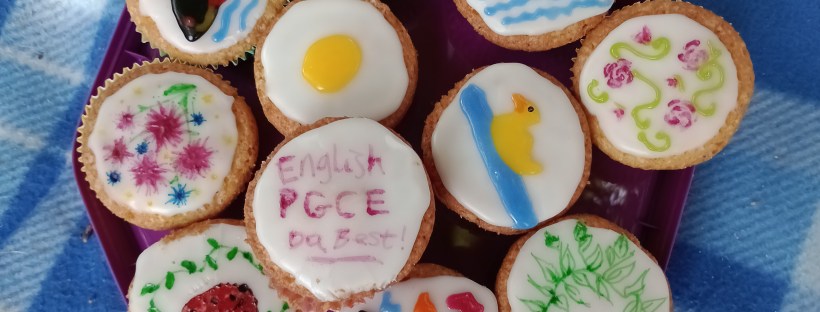
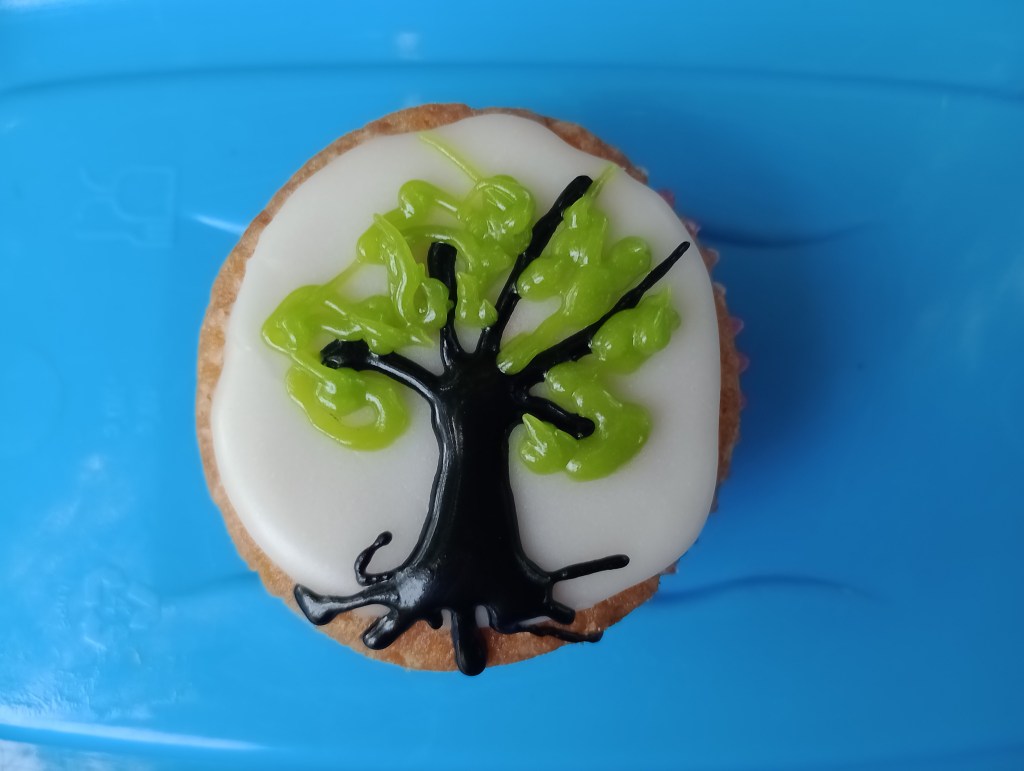
There’s also an invitation to respond creatively to the garden by decorating fairy cakes with writing icing, which we then share at the end of the day.

Out and wild

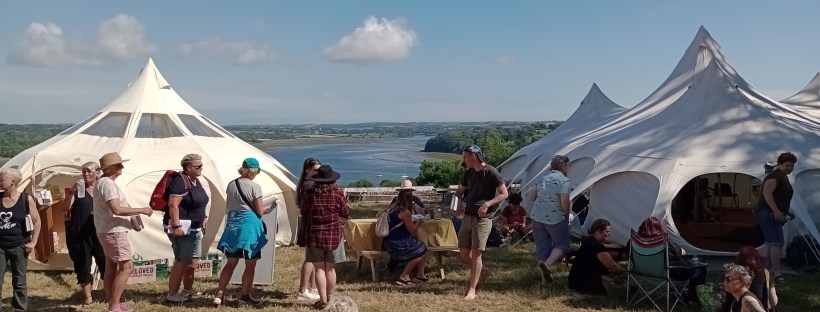
It was a lovely treat to be invited to read at the Out and Wild Festival earlier in June. In just its second year, Out and Wild is a wellness festival aimed at LGBTQ+ women which takes place in the beautiful coastal setting of Lawrenny, in south west Wales.

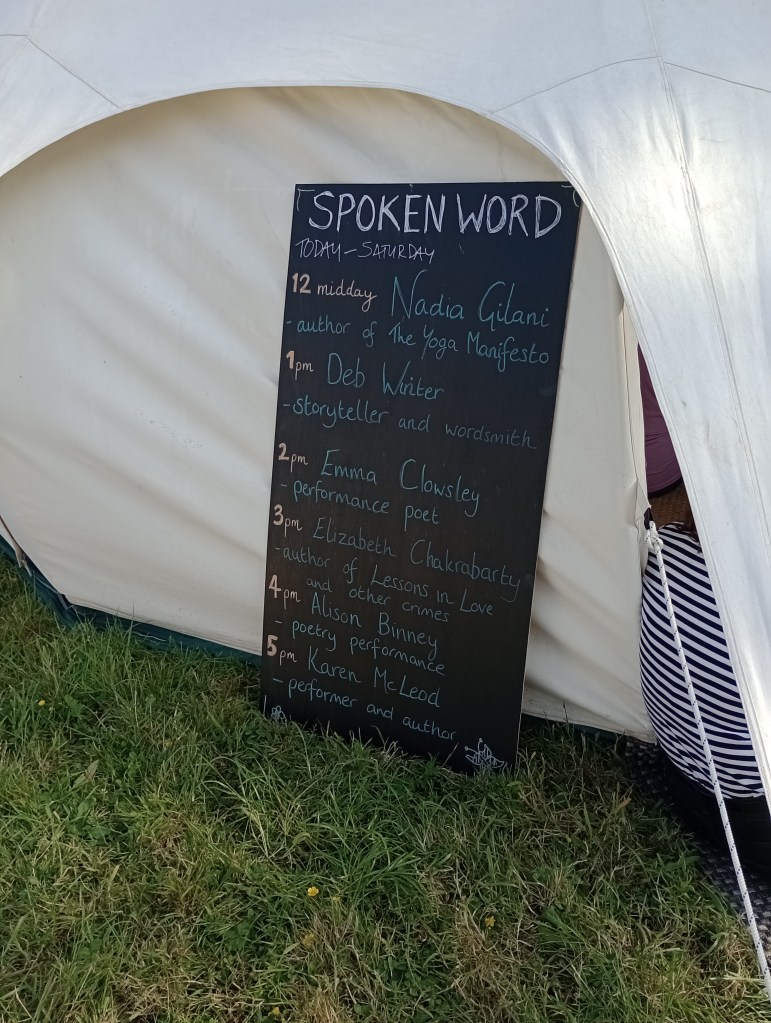
The Spoken Word tent was a cosy oasis of bean bags and benches, with a stunning view over the estuary through the back. I don’t think I’ll ever do a reading with a better view! The space created an intimate, friendly feeling for all the readers, and I particularly enjoyed the performance by storyteller Deb Winter earlier in the afternoon.

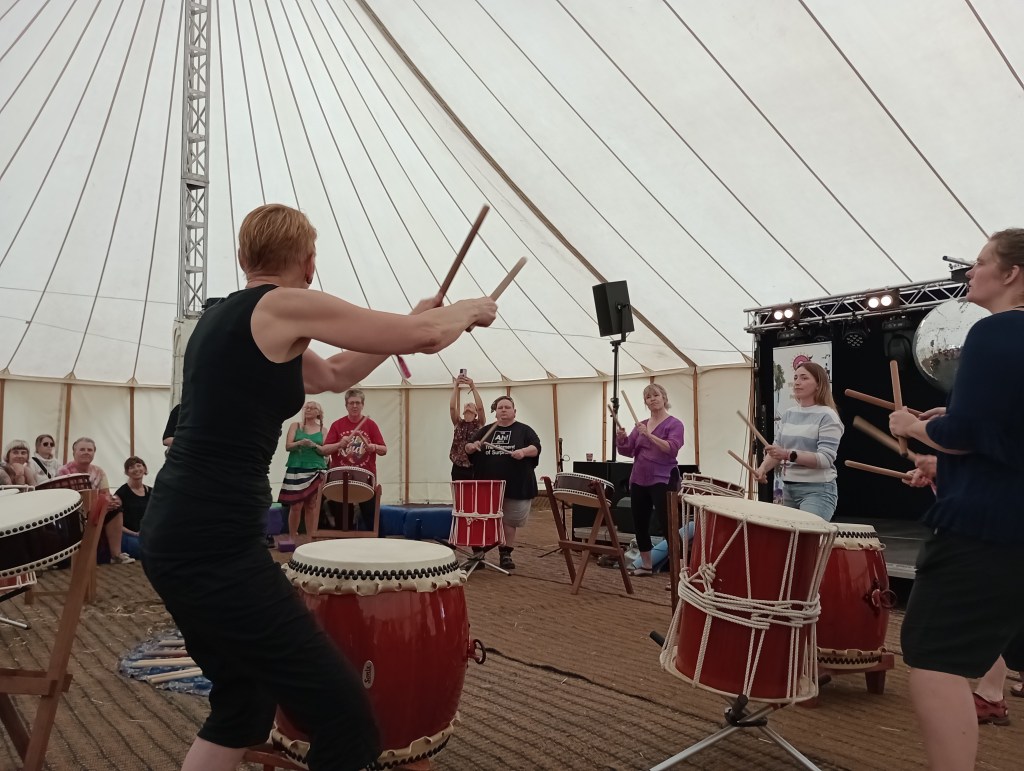
I made the most of the rest of the festival too, experiencing Taiko Drumming, Forest Bathing and a Silent Disco for the first time.

Given that the festival focused on LGBTQ+ women, it was a great space for reading some of the poems from Other Women’s Kitchens, and I really appreciated chatting to several women afterwards about how the poems resonated with their experiences. It was also good to try out some new poems on an audience for the first time.

With just 700 people there, the whole festival had a really friendly vibe, and it was good to keep bumping into the same people at different activities. I’m really looking forward to going back!

Wave of Nostalgia, Haworth

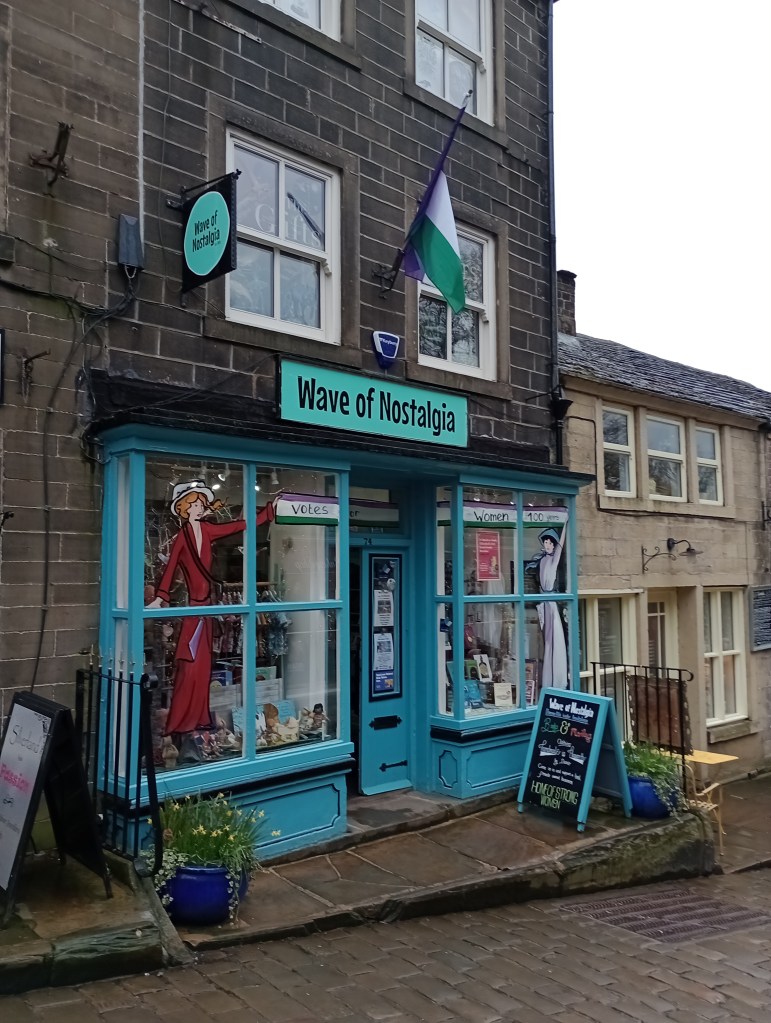
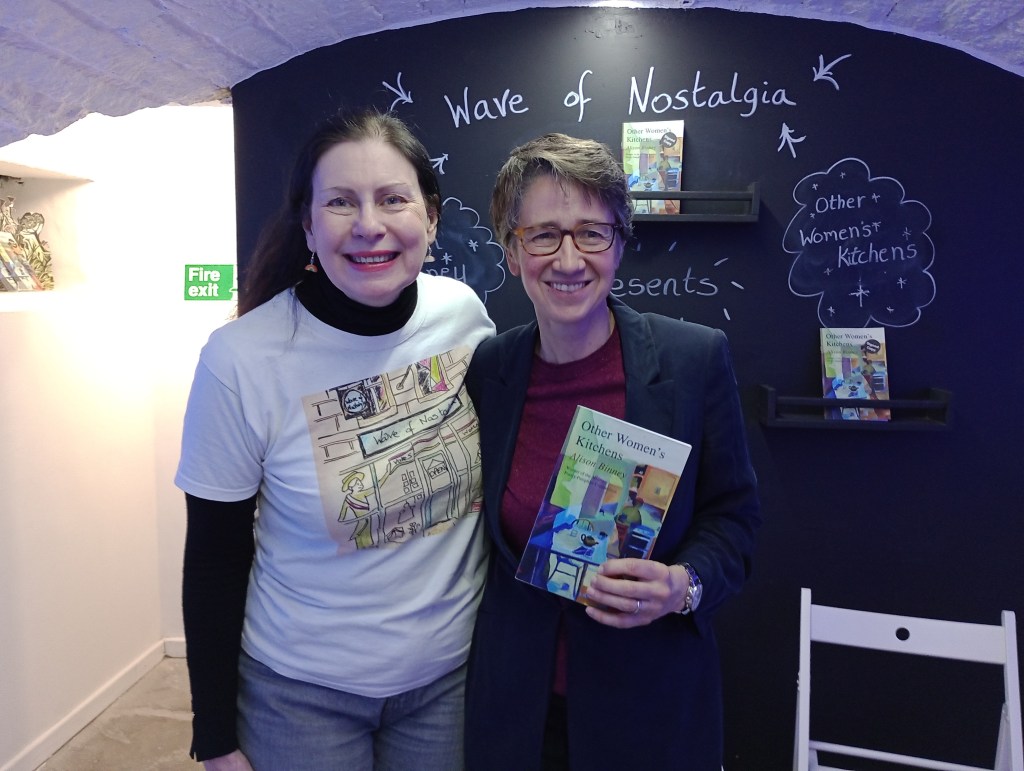
Last February, whilst on a walking holiday in Haworth with Her on a Hill, I discovered Wave of Nostalgia, a wonderful independent bookshop which specialises in books by and about strong women. I dropped off a copy of ‘Other Women’s Kitchens’ in the hope that the shop might be willing to stock it, and by the time I got home from the holiday I’d received an email asking for twelve signed copies, and proposing that I go back to do a reading.

Diane Park, the bookshop owner, has created an amazing performance space in the cellar underneath her shop, and it was a delight to be there in the first week of April, reading from ‘Other Women’s Kitchens’, plus some more recent poems, for a really engaged, receptive audience.

Magma 85: Poems for Schools – Selected Poet

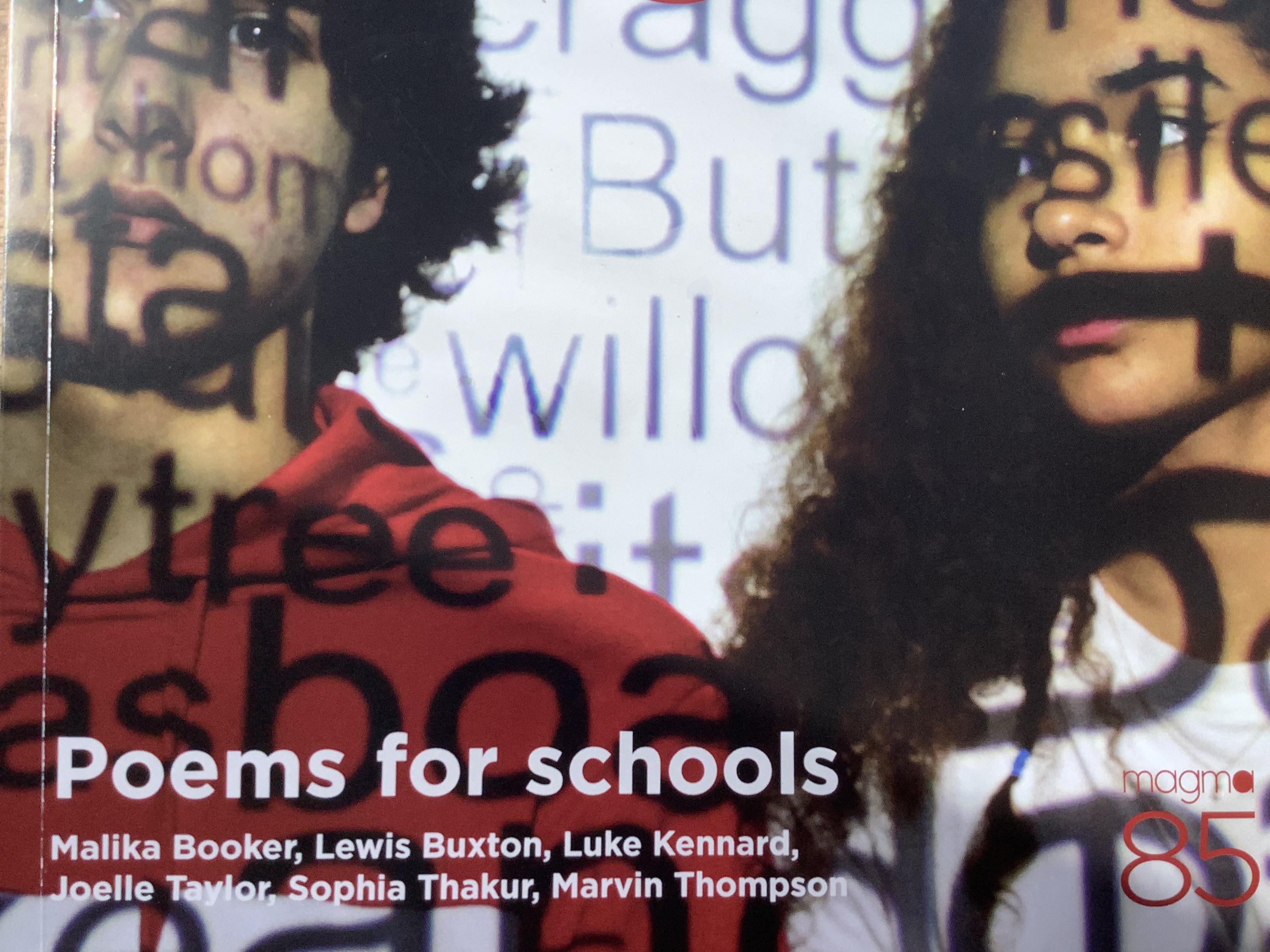
I’m honoured to have been chosen as the Selected Poet for Issue 85 of Magma, especially because the theme of this issue is ‘Poems for Schools’. Copies of this issue have been sent to all the GCSE exam boards in an effort to tempt them to widen the range of poems and poets included in future English Literature anthologies.

In my long experience of teaching GCSE classes, there’s no particular formula for poems that 14-16 year-olds will enjoy reading and exploring. Teaching English would be very dull if that were the case. I’m impatient with lazy assumptions, such as that 21st century teenagers have no appetite for poems about nature, for example, or that they only want to read about issues that directly reflect their lives. I’ve witnessed students’ passionate reactions against the protagonist in ‘Hawk Roosting’ – ‘I hate that bird. He thinks he’s all that, but he aint!’ – and equally engaged conversations about the attitudes towards women suggested by the speaker in ‘She Walks in Beauty’, and the extent to which they’re still evident today. Good teaching, of the sort outlined by Barbara Bleiman in her excellent article in this issue, is, of course, the crucial factor in supporting students in their exploration of poetry and whetting their enthusiasm.

However, the GCSE poetry anthologies are long overdue an overhaul, beginning with a challenge to Michael Gove’s fixation with Romantic poetry, as if that era somehow represented the pinnacle of poetry written in English, and it’s been downhill ever since. The poems in this edition of Magma represent a much broader and more invigorating range of poets, themes and poetic forms, and I’ve already found many that I’d love to teach.

Recordings of my six poems from Issue 85 can be found here. If you’re an English teacher and you try any of these poems in your classroom, I’d love to hear about what you do with them and how your students respond.

On perseverance and publication

Things move slowly in the poetry world – especially compared to my day job in the classroom, where things generally feel as if they’re moving on fast forward. It’s sometimes frustrating, but it’s a rhythm I’m learning to get used to. And since I started submitting poems to literary magazines a few years ago, I’ve also had to get used to my fair share, not only of seemingly interminable waiting, but also of rejection at the end of it. It goes with the territory, but it’s still hard sometimes not to take it personally, or to catastrophise, especially when a flurry of rejections comes together.

One of the most valuable lessons I’ve learned from other poets is to swallow my pride and to resubmit to journals that have rejected me. Not the same poems, but different ones – hopefully better ones. And often, in the time between being rejected and the next submissions window, there’s a better poem waiting in the wings, and I’m almost glad that the earlier poem didn’t make the cut.

Perhaps the most extreme example of this for me is my experience with ‘The Interpreter’s House’ – a magazine I first started submitting to in the autumn of 2018, and which I regard very highly for the quality of the poems it publishes, as well as the way the editors promote these poems on social media. My first submission to ‘The Interpreter’s House’ was aspirational, and I wasn’t surprised to be rejected. I submitted again, and was again rejected, but this time with a note saying I was ‘warmly encouraged’ to send more. By then I knew enough to take this encouragement seriously. I submitted again. And again. And again. Three more rejections, with no notes. And then I submitted again, and received further encouragement to send more. I felt I was inching closer. And again – this time ‘We discussed your poem at length’. Yay! And then finally, this summer, an email saying that the editors would like to publish one of the poems I had sent in my latest submission, if I would be open to an editorial discussion about the ending.

I was thrilled to have finally made it – almost – and was delighted to have the opportunity for a chat about how the poem might end, which resulted in an editorial suggestion which I’m really happy with.

I’m so grateful to the editors, Georgi Gill and Louise Peterkin, for their faith in this poem, and for their encouragement with my previous unsuccessful submissions. Thanks also to all those poets who’ve also shared their stories of rejection and perseverance, which have given me the confidence and determination to keep going.

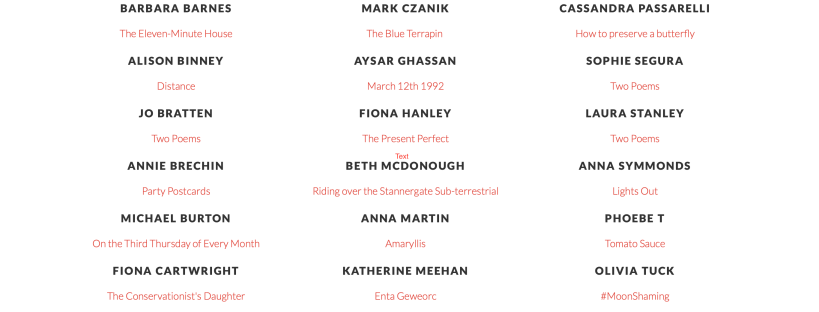
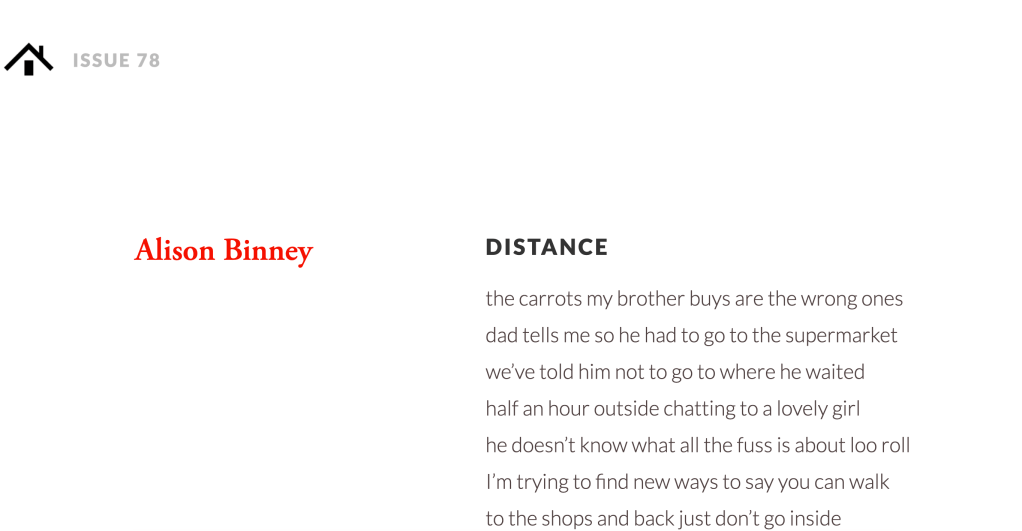
You can read my poem, ‘Distance’, here, but do have a browse of all the other poems in Issue 78 too.

The Ginkgo Prize for Ecopoetry 2022: Straight-line mission

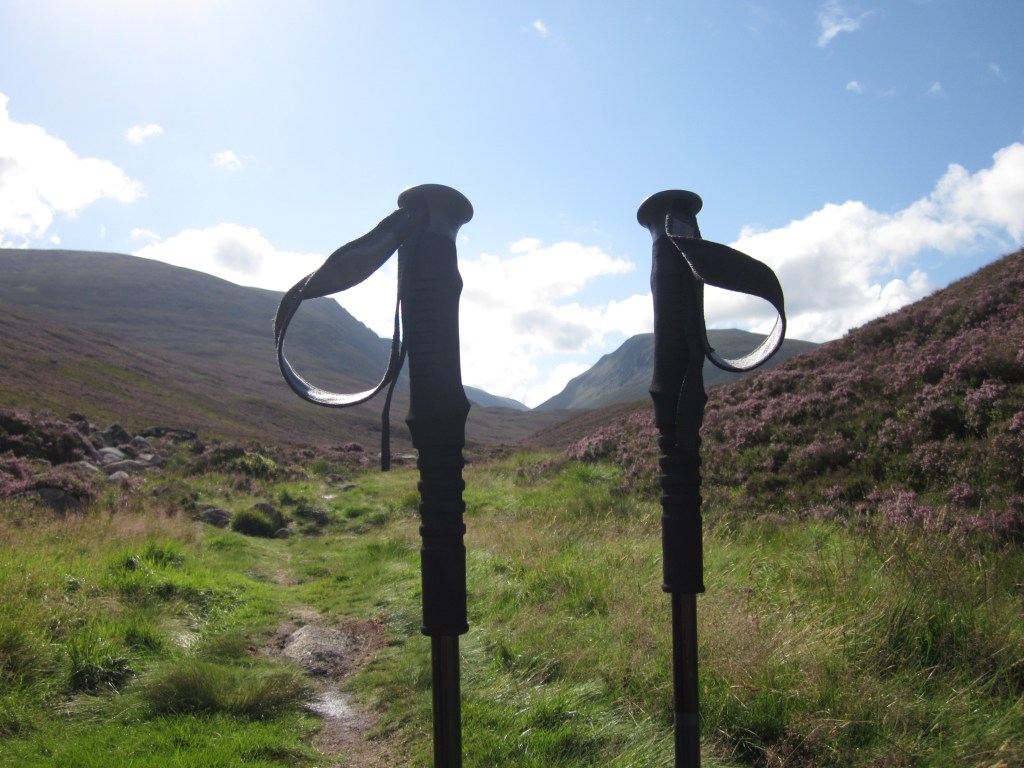
On 30th September 2021 a pair of hikers became the first people to walk the longest straight line in the UK without crossing a paved road, after spending four days crossing 78.55km (48.8 miles) from the Pass of Drumochter to Corgarff in north Scotland. Their route passed through the Cairngorms National Park, which is home to 25% of the UK’s most endangered species.

I’m a keen walker and love the challenge of a long hike through beautiful scenery. But I read about this ‘straight-line mission’ with a mixture of respect and horror. The 18th century garden designer William Kent famously said, ‘Nature abhors a straight line’, and I think that helps to explain why I found the whole concept of this walking challenge rather chilling. There are good reasons why footpaths rarely follow straight lines, something I’ve reflected on previously in my poem ‘Desire lines‘. When I discovered how many endangered species have a home in the Cairngorms National Park, I wondered how many nesting sites the walkers might have waded through, and worried about the impact on other ecologically valuable environments if straight-line missions become more popular.

I decided to explore all of this in a poem, and after trying various formats I elected to superimpose the reasons the walkers had given for completing this mission over the top of a list of the endangered species that inhabit the Cairngorms, presenting the walkers’ justification in bolder type and with justified edges to represent the way in which their mission had passed directly over the various creatures’ natural habitat. The fact that this piece of text is about the length and width of a ruler seems to fit the calculatedness of this mission.

In composing the background list poem, I was particularly struck by the beauty of the names of so many of these species, such as ‘shining guest ant’, ‘northern silver stiletto fly’, ‘Kentish glory’, and ‘aspen hoverfly’. There were many species here that I had never heard of, so I hoped that listing them in this poem would be a way of drawing attention to the need to preserve and protect them.

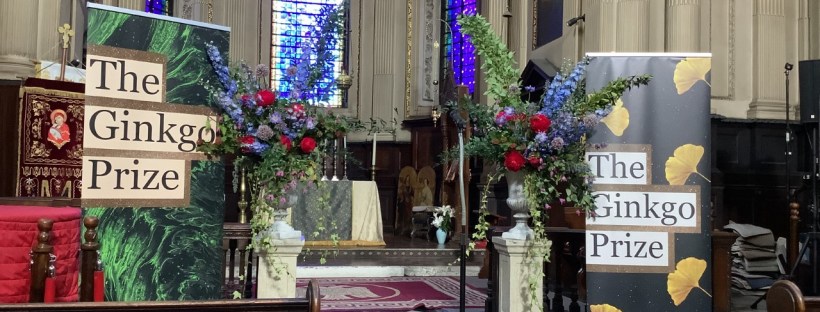
I am delighted to say that the resulting poem, ‘Straight-line mission’, was Highly Commended in this year’s Ginkgo Prize for Ecopoetry, and appears in the competition anthology here, on page 17.

It was lovely to be able to go to the prize giving ceremony in London on Monday, and to hear the winning poems read aloud. I have been haunted ever since by the final lines of the 2nd and 3rd placed poems. Liz Byrne’s ‘An owl the size of my smallest fingernail’ imagines the speaker holding a tiny owl in her palm and finishes:

‘He is mine. I can do what I want; so small,
no-one will ever miss him.’

Hilary Menos reflects on the speaker’s ambivalent relationship with her friend’s environmental activism, but memorably ends:

‘the only one of us prepared to give your real name,
the only one to own up to the mess we’d made.’

It was a privilege to hear these poems read aloud by their writers, and just so lovely to be able to attend an in-person poetry event again.

Heeling in at Lower Wood

The run-up to Christmas 2021 was a tricky time at school, as elsewhere. The Omicron variant of Covid was spreading rapidly, resulting in a lot of staff and student absence and creating an ominous sense of deja-vu, as questions were being raised about whether there might need to be another national lockdown to combat this new wave. On the Wednesday of the last week of term a sudden call-out came for teachers to go to Addenbrooke’s after school for Covid booster jabs, which was hugely welcome as it was proving difficult either to find drop-in appointments or to get onto the booking website at the time.

The following day, a little woozy after my booster, I found myself in Lower Wood, Weston Colville, amongst a team of volunteers helping to plant trees with The Wildlife Trust BCN. The woodland there is being restored, with a mixture of oak, willow, hazel, field maple and wild service trees, which were planted in a series of day-long sessions over the following few weeks.

It was a beautiful day, and we planted in sunlight for the most part, although the ground underfoot was thick clay so we slipped about, and our spades sometimes got stuck fast. We worked in pairs, and soon found a rhythm together: digging a hole; choosing a sapling; tucking the roots into the hole; slipping a tree guard over the top; and then hammering a wooden stake in to hold it fast.

I learned a new phrase that day: ‘Heeling in’ – the action of pressing the earth snug around the roots of a tree once you’ve slotted it into the ground. Perhaps the most satisfying moment of the day was when one of the Wildlife Trust rangers watched me doing this, several hours in, and said, ‘That’s good heeling in, that is’. In yet another troubling phase of the pandemic, on a day when I hadn’t quite known what I needed to feel better, I was suddenly aware that that was exactly what I needed: to be doing something practical in the open air, to be planting a living thing that should grow well beyond my lifespan, and to be told that I was doing this simple thing well.

We went back this last weekend, four months later, to see the bluebells in Lower Wood, which were spectacular. And it was wonderful to look down the tree guards and see the first leaves growing on the trees we planted.

Two days later, I heard that a poem I wrote, inspired by the experience of planting trees, had been highly commended by Gillian Clarke in The Rialto Nature and Place Poetry Competition 2022. It’s called ‘Heeling in at Lower Wood’, and I’m really looking forward to seeing it published in The Rialto later this year, alongside the winners.